As the logistics market in Texas continues to grow, optimizing warehouse storage strategies is more crucial than ever. Whether you’re managing a small facility or a large distribution center, finding ways to maximize space and improve efficiency can lead to significant cost savings and enhanced productivity. In this blog post, we’ll explore effective strategies and best practices to help you streamline your warehouse operations in the diverse Texas landscape.
Understanding the Importance of Warehouse Storage Optimization
To kick things off, let’s discuss why optimizing warehouse storage is essential for businesses in Texas. With a rapidly evolving logistics market, companies now face increased demands for efficiency and responsiveness. By understanding the fundamental importance of this optimization, you’ll be better prepared to make effective changes.
Warehouse storage is not merely about fitting things in; it’s about fitting them in smartly. In Texas, where logistics can mean the difference between customer satisfaction and discontent, effective storage solutions can dramatically influence supply chain dynamics. A well-optimized warehouse storage can lead to increased pick rates and efficiency, enabling businesses to keep pace with demand.
Moreover, enhanced warehouse storage strategies can significantly reduce operational costs. When businesses can make the most out of every square foot of space, they not only save money on storage but also on labor and transportation costs. By establishing a culture of optimization, companies can create a ripple effect of efficiency, benefiting every department.
Assessing Your Current Warehouse Layout
Before you can improve your storage strategies, it’s crucial to assess your current warehouse layout. This section will guide you through the steps of evaluating your existing space utilization, identifying bottlenecks, and recognizing areas for enhancement.
Start by conducting a thorough analysis of your current layout. Walk the floor, observe the flow of goods, and take notes on where inefficiencies lie. This might seem tedious, but trust us, it’s a necessary step to fully grasp how your space is currently utilized. Are certain items easy to access, while others remain buried in the back? Identifying these inefficiencies can save you time and hassle down the line.
Next, consider utilizing warehouse management systems to assist in your evaluation process. These tools can provide insights into your current layout and highlight areas that could be optimized for better storage. A data-driven approach can often reveal unforeseen opportunities for improvement, making it easier to prioritize changes that will yield immediate results.
Lastly, don’t forget to involve your team in this assessment. They are the daily users of the space and will have valuable insights into what works and what doesn’t. Besides fostering a collaborative atmosphere, engaging with your staff ensures that any changes they enact will be embraced rather than resisted.
Implementing Vertical Storage Solutions
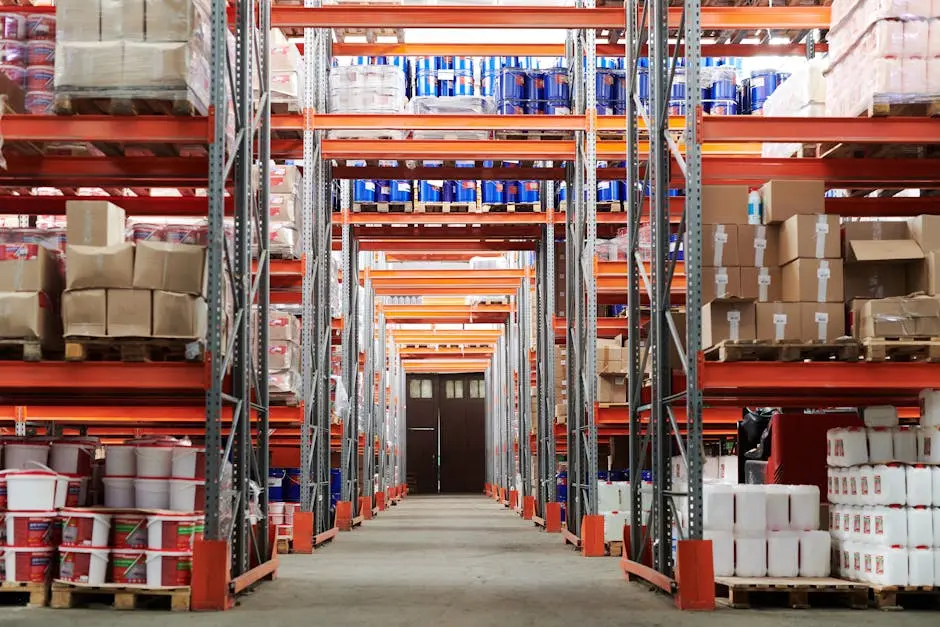
One of the most effective ways to optimize warehouse storage is by making use of vertical space. Explore various vertical storage solutions, including shelving systems and pallet racks, to maximize your warehouse’s cubic footage while maintaining accessibility.
Vertical storage is often a game changer for warehouses struggling with space constraints. By shelving items up, you can free up floor space for other operations. Think about installing multi-level racks; they can be particularly effective in maximizing storage without sacrificing ease of access. This approach allows you to store a variety of items while keeping them organized and within reach.
You might also want to explore mobile shelving units, which can be moved on demand. These units are not only space-efficient but also allow for flexible configurations, giving you the ability to adapt as your needs change. Implementing these systems may involve initial investment, but the return on efficiency can be significant. Moreover, considering your specific warehouse operations will help tailor these solutions to fit your unique requirements.
Leveraging Technology for Inventory Management
Proper inventory management is essential for any warehouse operation. This section will delve into how technology—such as warehouse management systems (WMS) and automated inventory tracking—can help streamline your processes and provide real-time visibility into your stock levels.
In the fast-paced world of logistics, waiting for stock counts to be updated is no longer an option. Using modern warehouse management systems provides real-time data, helping managers make informed decisions quickly. Picture it: rather than sifting through physical counts or spreadsheets, you can see exactly what’s on hand, where it’s located, and when it needs to be reordered—all at the swipe of a finger.
Additionally, adopting automated inventory tracking technologies like RFID can minimize human error and streamline operations. With these systems in place, workers can focus on more critical tasks rather than simply counting and labeling. Providing these tools also empowers your workforce, enhancing productivity and morale.
Training Your Team for Efficiency
A well-trained team is key to maximizing warehouse efficiency. Learn about the importance of training your staff on new protocols, tools, and best practices to ensure that everyone is aligned and working toward optimizing your warehouse storage strategy.
Investing in your team is just as important as investing in technology. Conduct regular training sessions; these can be structured or informal. Share knowledge about new layouts, systems, and procedures. Effective communication is crucial here—ensuring each member understands their role not only streamlines processes but fosters a strong team dynamic.
You might consider adopting a mentorship approach to training, where more experienced employees guide newer ones. This not only bridges the knowledge gap but also cultivates a sense of belonging and investment in their work. By creating an environment of continuous learning, you’ll empower your team to adapt quickly to changes, improving overall operations in your warehouse.
Regularly Reviewing and Adjusting Your Strategy
Once you’ve implemented new strategies, it’s essential to regularly review and adjust them based on performance metrics and changing market conditions. This section will outline how to set benchmarks and perform assessments to ensure your storage strategy remains optimal.
Start with collecting data to assess how your new strategies are performing. Are pick times decreasing? Is inventory turnover improving? Utilizing key performance indicators (KPIs) gives you a quantitative measure of your operations’ success. Regularly analyzing this data is crucial for understanding what’s working and what needs modification.
However, don’t rely solely on numbers. Institute regular team feedback sessions to complement data assessments. Staff insights can reveal practical challenges and opportunities that raw data may not capture. By blending quantitative data with qualitative feedback, you maintain a robust, holistic understanding of your strategy’s effectiveness.
Lastly, remain adaptable. The logistics landscape is always changing, particularly in Texas, where new technologies and market demands can surface quickly. Staying proactive rather than reactive will ensure your warehouse storage strategies are always a step ahead.
Final Thoughts on Warehouse Optimization
By implementing these strategies, you can create a more efficient and effective warehouse storage system tailored to the unique demands of the Texas logistics market. Remember, the goal is not just to save space but to enhance overall operational efficiency and improve customer satisfaction. Stay adaptable and always be on the lookout for new technologies and methods to further optimize your storage solutions.